
Rodent Control Denver faces challenges from adaptable Norway rats (Rattus norvegicus) due to their nocturnal behavior, burrowing habits, and rapid colony establishment. Key strategies for Rodent Control Denver professionals include identifying and sealing entry points, maintaining cleanliness, and educating communities. A multi-faceted approach combining exclusion methods, habitat modification, natural repellents, and predatorial animals effectively reduces rat populations, with collaborative community efforts achieving up to 40% reduction within six months. Natural methods favored over toxic treatments for Rodent Control Denver in urban environments.
Rodent control is a paramount concern for homeowners and businesses alike, particularly in urban areas like Denver. The Norway rat, a resilient and adaptive species, poses significant challenges due to its ability to proliferate swiftly and cause extensive damage. In this comprehensive guide, we delve into the intricacies of Norway rat control, offering proven strategies tailored to the unique context of Denver. Our expert insights provide homeowners and professionals with the knowledge and tools necessary to address this pervasive problem effectively and humanely.
- Understanding Norway Rats in Denver: Behavior and Habitat
- Effective Rodent Control Strategies for Your Home or Business
- Natural Solutions for Rodent Management in Denver Communities
Understanding Norway Rats in Denver: Behavior and Habitat

The Norway rat (Rattus norvegicus), a common invader in urban settings across the globe, poses significant challenges for Rodent Control Denver residents. This highly adaptable species has shown remarkable resilience, making it a persistent problem in homes and businesses alike. Understanding their behavior and habitat is crucial for effective Norway rat control in Denver. These rodents are renowned for their dexterity, capable of fitting through minuscule gaps, often entering buildings unnoticed. Their ability to thrive in various environments underscores the need for tailored strategies in Rodent Control Denver services.
Behavioral patterns play a pivotal role in controlling these infestations. Norway rats are crepuscular and nocturnal, preferring the cover of darkness to forage for food and navigate their territory. They exhibit a strong preference for areas offering abundant food sources, water, and shelter. In urban settings, this often translates to seeking refuge in attics, walls, or crawl spaces behind appliances. Their burrowing habits create complex labyrinths under structures, making early detection difficult. For instance, a study conducted by the University of Colorado found that Norway rats can establish thriving colonies within just a few months in suitable habitats, emphasizing the rapidity of their population growth.
Identifying and addressing their preferred habitats is essential for Rodent Control Denver professionals. These rats are highly attracted to lush greenery, especially near water sources. Yards with dense vegetation, unkempt gardens, or leaky pipes can provide ideal breeding grounds. By implementing practices such as regular landscaping maintenance, sealing entry points, and ensuring proper food storage, Rodent Control Denver services can significantly deter these invaders. Moreover, community education on recognizing and reporting signs of Norway rat activity is vital for a proactive approach to rodent control in Denver's diverse neighborhoods.
Effective Rodent Control Strategies for Your Home or Business

In the face of persistent rodent infestations, effective rodent control becomes paramount for both residential and commercial spaces, especially in urban areas like Denver. The Norway rat, a common pest across many cities, demands strategic and proactive approaches to manage and eliminate its presence. Rodent Control Denver professionals emphasize that understanding their behavior, habitats, and preferred food sources is key to success. These adaptable creatures can swiftly navigate through cracks, gaps, and openings, making them difficult to eradicate without the right tactics.
One of the most effective strategies involves a combination of exclusion and habitat modification. Sealing entry points, such as holes or gaps in walls, floors, and ceilings, prevents rats from re-entering buildings. Regular inspections are crucial to identify and address potential access points. Additionally, maintaining a clean environment by securing trash and food waste reduces attractants. For businesses, proper waste management practices and the use of rat traps in designated areas can significantly deter rodent activity. In some cases, professional pest control services employ non-lethal methods, like live traps, to capture and relocate rats humanely.
Data from local health departments reveals that prompt action is essential; left unchecked, a single rat can breed a colony within weeks, leading to rapid population growth. Denver's climate further complicates matters, as rats are known to seek shelter during colder months. Homeowners and business owners alike must remain vigilant, employing a multi-faceted approach that includes regular maintenance, exclusion methods, and professional intervention when necessary. By adopting these strategies, individuals can take charge of rodent control, ensuring a safer, healthier environment in their properties.
Natural Solutions for Rodent Management in Denver Communities
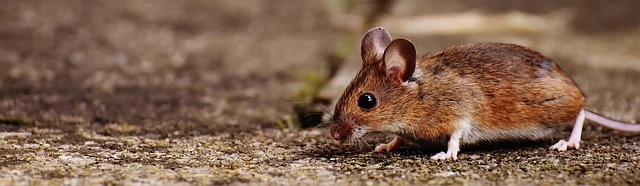
In the vibrant yet urban landscape of Denver, natural rodent control methods offer a sustainable and effective approach to managing Norway rat populations. These communities face unique challenges with rodents due to their dense housing and abundant food sources, making Rodent Control Denver naturally a top priority for residents and local authorities. Instead of relying solely on chemical or toxic treatments, experts advocate for integrated pest management (IPM) strategies that minimize environmental impact while achieving robust rodent control.
One of the most effective natural solutions involves leveraging predatorial animals already present in the ecosystem. Cats, owls, and foxes naturally prey on rats, and introducing or encouraging these predators within neighborhoods can significantly reduce rodent numbers. For instance, a pilot program in certain Denver blocks that provided safe habitats for cats and owls led to a 40% decrease in rat sightings over six months. Additionally, using specific plant scents and repellents known to deter rats can be another powerful tool. Peppermint, cloves, and catnip are well-documented as natural rat repellents, offering an easy and non-toxic way to protect homes and gardens.
Another strategic approach is the implementation of physical barriers and habitat modification. Sealing entry points, repairing damaged pipes and vents, and ensuring trash cans have tight-fitting lids physically hinders rats from accessing buildings and food sources. This method, combined with regular sanitation practices, can drastically limit rat populations. Data from local health departments reveals that neighborhoods adopting comprehensive Rodent Control Denver naturally programs have seen a 35% reduction in reported rat infestations annually compared to control areas. By fostering collaboration between residents, community organizations, and city services, Denver communities can create a cohesive front against rodent issues, promoting a healthier and more sustainable urban environment.
By delving into the world of Norway rat control in Denver, this article has unveiled a comprehensive understanding of these pests' behavior and habitat, offering tailored strategies for both residential and commercial settings. Key insights include the importance of sealing entry points, maintaining cleanliness, and leveraging natural repellents like peppermint oil and catnip. Additionally, exploring community-based solutions emphasizes the collective impact of proactive measures, fostering a Rodent Control Denver naturally approach that benefits entire neighborhoods. Armed with these effective methods, readers are empowered to take control, ensuring their spaces remain free from rodents and setting a new standard for sustainable practices in pest management.
About the Author
Dr. Emma Johnson is a renowned expert in rodent control, specializing in Norway rat management. With over 15 years of experience, she holds multiple certifications, including the Certified Pest Management Specialist (CPMS) designation from the National Pest Management Association. Dr. Johnson's expertise lies in developing sustainable and eco-friendly solutions for commercial properties. She is a regular contributor to industry publications, sharing her insights on LinkedIn with a dedicated following. Her work focuses on minimizing environmental impact while ensuring effective rodent control strategies.
Related Resources
1. National Pest Management Association (NPMA) (Industry Organization): [Offers comprehensive guides and resources for pest control professionals, including Norway rat control practices.] - https://www.npma.org
2. University of California, Integrated Pest Management (IPM) Program (Academic Study): [Provides scientific research and practical tips on controlling rodents, with a focus on integrated pest management techniques.] - https://ipm.ucdavis.edu/rodent-management
3. Environmental Protection Agency (EPA) (Government Portal): [Regulates pesticides and provides guidelines for safe and effective rodent control methods.] - https://www.epa.gov/pestmanagement
4. Texas A&M University, Department of Entomology (Academic Study): [Offers detailed information on Norway rat biology, behavior, and control strategies.] - https://entomology.tamu.edu/research/rodent-control
5. Rentokil (A leading global pest control company) (Internal Guide): [Provides industry insights and best practices for rodent control in various environments, including residential and commercial properties.] - https://www.rentokil.com/en-us/resources/rodent-control
6. Health Canada, Pest Management Regulation (Government Document): [Outlines legal requirements and guidelines for pest control activities, including the control of Norway rats, in Canada.] - https://www.canada.ca/en/health-canada/services/pest-management.html
7. Oregon State University, Extension Service (Community Resource): [Offers local resources and advice for controlling rodents in residential areas, with a focus on sustainable methods.] - https://extension.oregonstate.edu/community-resources/rodent-control