
In Denver's diverse climate, Rodent Control Denver is key for healthy environments. Professional services tailor trapping programs considering ecosystems, from suburban greenery to urban buildings, to prevent damage caused by rodents like wiring destruction and food contamination. By identifying high-risk areas, using live traps and snap traps, and maintaining regular monitoring, effective rodent control ensures property protection and prevents future infestations.
In the vibrant city of Denver, effective rodent control is essential for maintaining healthy living and working spaces. This article explores the nuanced needs of rodent control in Denver, delving into targeted trapping programs that safeguard homes and businesses from these persistent pests. We'll guide you through understanding local challenges and implementing successful strategies, ensuring a comprehensive approach to rodent control in Denver.
- Understanding Rodent Control Needs in Denver
- Implementing Effective Trapping Programs
- Safeguarding Homes and Businesses from Rodents
Understanding Rodent Control Needs in Denver

In the vibrant city of Denver, effective rodent control is a critical aspect of maintaining healthy and safe living environments for both residents and businesses. Understanding the unique needs of rodent control in this metropolis is essential due to its specific challenges, including the diverse climate and various habitats that attract rodents.
Denver's topography presents varied environments, from suburban neighborhoods with abundant greenery to urban areas with towering buildings. This diversity means different species of rodents, each with distinct behaviors and preferences. Professional rodent control services in Denver must account for these variations, employing tailored strategies that consider the local ecosystem and target specific pests effectively. By understanding the unique dynamics of the city, experts can design comprehensive trapping programs, ensuring a more successful and environmentally conscious approach to rodent control.
Implementing Effective Trapping Programs

Implementing effective rodent control trapping programs requires a strategic approach tailored to the specific needs and challenges of your Denver property. Start by identifying high-risk areas where rodents are most likely to seek shelter, such as near food sources, water, or dark, secluded spaces. Once these hotspots are pinpointed, select appropriate traps aligned with the type and behavior of the rodents infesting your space.
For Denver residents dealing with rodents, a combination of snap traps and live traps is often recommended. Snap traps offer immediate results by swiftly dispatch intruders, while live traps capture rodents intact for humanely relocation. Regular monitoring and maintenance are crucial to the success of any trapping program, ensuring that traps are checked frequently and replaced as needed to prevent waste and maximize effectiveness in addressing Denver's rodent control challenges.
Safeguarding Homes and Businesses from Rodents
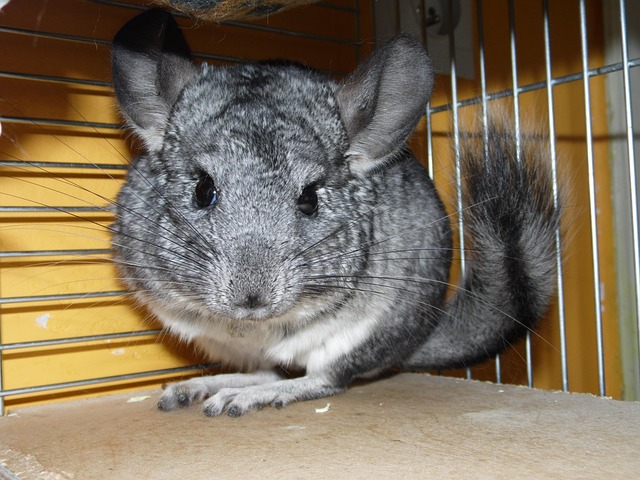
Rodents can cause significant damage to homes and businesses, from gnawing through wiring to contaminating food sources. Implementing effective rodent control trapping programs is crucial for safeguarding properties in Denver and beyond. Professional pest control services offer tailored solutions, utilizing advanced traps and eco-friendly methods to eliminate rodent infestations humanely.
In the context of Rodent Control Denver, these programs not only address the immediate issue but also prevent future invasions. By identifying entry points and eliminating nests, professionals foster an unwelcoming environment for rodents, ensuring a quieter, safer living or working space.
Rodent Control Denver requires a comprehensive understanding of local needs and implementation of effective trapping programs. By safeguarding homes and businesses, we can mitigate potential health risks and property damage caused by rodents. With proper precautions and professional guidance, it's possible to create an environment that discourages rodent infiltration, ensuring a safer and more secure space for all.