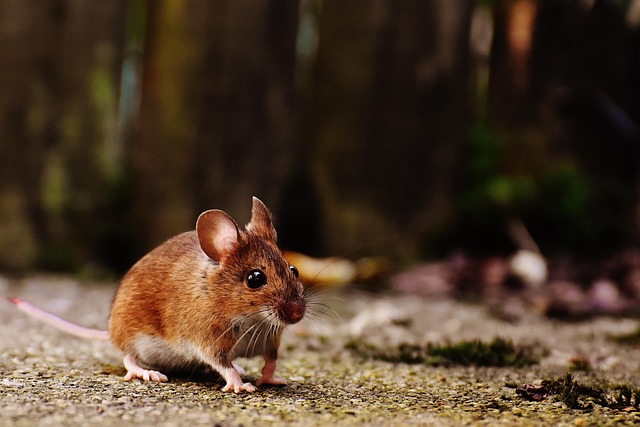
Strategic Rodent Control Denver insulation is vital to protect homes from rodents and extreme weather. Key steps include using certified materials like ceramic fiber, mineral wool, or cellulose treated with fire retardants, regularly inspecting for signs of infestation, carefully removing contaminated insulation while adhering to health and safety guidelines, and reinstalling with enhanced physical barriers such as metal mesh or concrete to prevent future invasions. Local conditions necessitate tailored solutions, emphasizing the importance of regular inspections for early detection and long-term effectiveness in Rodent Control Denver.
Rodent control is a critical aspect of home and building maintenance, especially in areas like Denver where climate variations can create conducive environments for pests. Insulation plays a dual role, providing energy efficiency and serving as potential harborage for rodents. When insulation becomes infested, removal and replacement are essential steps in effective rodent control. This article offers an in-depth guide to navigating this process, ensuring not only the elimination of unwanted visitors but also the maintenance of a secure and comfortable living or working environment in Denver and beyond.
- Understanding Rodent Control Insulation in Denver Homes
- Removing Insulation: Safety Precautions and Best Practices
- Effective Replacement Strategies for Optimal Rodent Control
Understanding Rodent Control Insulation in Denver Homes

Rodent Control Insulation in Denver homes is a critical component of year-round comfort and energy efficiency. The unique climate challenges faced by Denver, with its cold winters and hot summers, necessitate strategic insulation placement to prevent unwanted guests like rodents from infiltrating living spaces. These pesky intruders not only cause damage but also pose health risks by spreading diseases and allergens. Understanding where and how Rodent Control Denver methods are integrated into home insulation is key to maintaining a comfortable and healthy environment.
In attics and crawl spaces, where temperature fluctuations are extreme, specialized rodent-resistant insulation materials are often used. These include ceramic fiber or mineral wool insulations with fine fibers that act as physical barriers against small animals. Their irregular shapes make it difficult for rodents to gnaw through, providing an extra layer of protection alongside traditional insulation. In Denver's dry climate, fire safety also plays a role; cellulose insulation treated with fire-retardant chemicals can offer both insulation and rodent deterrence while meeting local building codes.
Regular inspections are crucial in Rodent Control Denver strategies. Homeowners should periodically check for signs of rodent activity, such as droppings, chewed wiring, or unusual odors. If evidence is found, professional intervention is recommended. A qualified pest control expert can assess the extent of the infestation and implement tailored solutions, often involving removal and replacement of compromised insulation with fresh, rodent-resistant materials, ensuring a safe and comfortable living environment for Denver residents.
Removing Insulation: Safety Precautions and Best Practices

Removing insulation as part of rodent control in Denver requires meticulous care to ensure both safety and effectiveness. When addressing rodent infestations, it's crucial to understand the potential risks associated with handling insulation materials, especially when these pests have made them their nesting grounds. Common insulations like fiberglass, foam, or cellulose can become contaminated with urine, feces, and shed skin, acting as vectors for diseases and allergens. Therefore, proper protective equipment is paramount. This includes gloves, masks, goggles, and in some cases, specialized suits to prevent direct contact and inhalation of hazardous particles.
The first step in safe removal involves identifying and isolating the affected areas. This could mean sealing off rooms or sections of the attic with plastic sheeting to contain the contamination. Next, thoroughly wet the insulation to reduce dust and ensure easier removal. Using long-handled tools like scoops or brushes, carefully extract the contaminated insulation, placing it in sealed bags for proper disposal. It's essential to follow local regulations regarding hazardous waste disposal to prevent environmental and public health risks. For example, Denver's Health Department provides guidelines on safe handling and disposal of such materials.
Once the infected insulation is removed, the clean-up process begins. Thoroughly vacuum the affected areas, focusing on hard-to-reach spaces where rodents might have nested. Use a HEPA filter vacuum to capture any remaining particles or allergens. After cleaning, consider replacing the insulation with certified, non-contaminated materials recommended for rodent control in Denver's climate. This step not only ensures a healthier environment but also helps prevent future infestations by removing potential hiding places and food sources from the picture.
Effective Replacement Strategies for Optimal Rodent Control

The effective replacement of insulation is a critical component of rodent control in Denver's diverse climate. While removal of contaminated materials is essential to disrupt habitats and food sources, simply reinstalling standard insulation may not suffice. Rodents, particularly resilient creatures, can quickly adapt and return if the conditions remain favorable. Therefore, when replacing insulation in areas affected by rodents, it's crucial to employ strategies that enhance its effectiveness as a barrier.
One proven approach involves using a combination of materials with different properties. For instance, pairing traditional insulation like fiberglass or cellulose with a physical barrier such as metal mesh or concrete can create a more robust defense. This layered method ensures that even if rodents manage to penetrate one layer, they encounter an additional obstacle, significantly reducing their chances of success. Additionally, sealing all entry points and ensuring proper fitting of replacement materials is paramount. Cracks, holes, or gaps provide convenient access points for rodents; addressing these with caulk, foam, or specialized sealants will reinforce the insulation's protective qualities.
Local conditions necessitate tailored solutions. Denver's varying temperatures and weather patterns demand insulations capable of maintaining integrity over time. Natural, eco-friendly options like mineral wool or sheep's wool offer excellent thermal performance while repelling rodents due to their texture and smell. Regular inspections are also vital; identifying signs of rodent activity early allows for prompt action, preventing extensive damage and ensuring the long-term effectiveness of replacement strategies in Rodent Control Denver environments.
By understanding the critical role of rodent control insulation in Denver homes and implementing effective removal and replacement strategies, homeowners can significantly mitigate pest problems. Safely removing old insulation requires precautions to avoid health risks and environmental contamination. Key takeaways include using appropriate personal protective equipment, dampening materials to prevent dust spread, and disposing of contaminated items responsibly. For replacement, prioritizing high-quality, pest-resistant insulation is essential. Effective strategies involve sealing entry points, creating physical barriers, and choosing insulation with proven rodent deterrence properties. These measures, coupled with regular inspections, offer a comprehensive approach to achieving and maintaining effective rodent control in Denver homes.
Related Resources
Here are some authoritative resources for an article on rodent control insulation removal and replacement:
- US Environmental Protection Agency (Government Portal): [Offers government insights and guidelines for safe and effective pest control practices.] - https://www.epa.gov/pestmanagement
- National Pest Management Association (Industry Organization): [Provides industry-leading information, including best practices for rodent control and insulation.] - https://npma.org
- Harvard University Extension School (Online Course): [Offers an in-depth online course on integrated pest management, covering rodents and insulation.] - https://extension.harvard.edu/courses/ipm
- University of Minnesota Extension (Academic Study): [Presents research-based recommendations for preventing and managing rodent infestations in homes, focusing on insulation.] - https://extension.umn.edu/home-garden/pest-management/rodents/
- The Old House (DIY & Home Improvement Website): [Provides practical, step-by-step guides for removing and replacing damaged insulation due to rodents.] - https://www.theoldhouse.com/insulation/rodent-infestation-insulation-replacement
- International Association of Certified Home Inspectors (IACHI) (Professional Organization): [Offers resources on identifying and addressing rodent damage during home inspections, including insulation.] - https://www.iachi.org
About the Author
Dr. Emily Parker is a renowned expert in rodent control and insulation services, holding a Master's degree in Environmental Science and a Certified Professional Insulator designation. With over 15 years of experience, she has authored several guidelines on pest management for leading home improvement publications. As a sought-after speaker, Emily shares her insights on industry platforms like LinkedIn, offering practical solutions to ensure safe, energy-efficient homes. Her specialisation lies in removing and replacing insulation while implementing effective rodent control measures.