
Rodent Control Denver emphasizes understanding rodent behavior for effective management. Key insights include seasonal activity patterns, species-specific habits, landscape influences, and learning abilities that impact trap avoidance. Live capture techniques, like box traps and CO2 traps, are humane methods prioritized by Rodent Control Denver, with strategic release sites and timing to ensure survival and minimize stress for reintegrated rodents. Post-release monitoring provides valuable data for refining control strategies and conservation efforts.
Rodent control is a perennial challenge for homeowners and businesses alike, particularly in urban areas like Denver, where populations of rodents can thrive. Traditional methods often rely on toxic chemicals, raising concerns about safety and environmental impact. This article explores an alternative approach: live capture and release. We delve into the effectiveness, ethical considerations, and practical implementation of this method, offering a comprehensive guide for those seeking humane and sustainable rodent control solutions in Denver and beyond.
- Understanding Rodent Behavior for Effective Control in Denver
- Live Capture Techniques: A Humane Approach to Rodent Management
- Release Strategies: Ensuring Successful Reintegration for Urban Rodents
Understanding Rodent Behavior for Effective Control in Denver

Understanding Rodent Behavior is Key to Effective Rodent Control Denver methods. Rodents like mice and rats exhibit complex behaviors that influence their movement and habitat choices. In urban settings such as Denver, these creatures are adept at finding shelter and food sources, often adapting quickly to new environments. To successfully implement live capture and release programs, it's crucial for professionals to grasp these behavioral patterns. For instance, during winter months, rodents may seek warmer areas, increasing their activity in buildings. Moreover, they possess excellent memory and learning capabilities, enabling them to avoid traps if not appropriately placed or baited.
Knowledge of local rodent species is also vital. Different species have distinct preferences and behaviors. The Norway rat, for example, tends to live in burrows and is more active at night, while the house mouse prefers open spaces and is often seen during the day. Awareness of these differences allows for tailored control strategies. In Denver, where climate varies widely, understanding how temperature affects rodent behavior can guide successful live capture efforts. For instance, colder temperatures may prompt rodents to seek shelter indoors earlier in the season.
Denver's diverse landscape presents unique challenges and opportunities for rodent control. Natural habitats provide numerous hiding spots and food sources, but they also offer potential release sites for captured rats or mice. To ensure the effectiveness of live capture and release programs, professionals should consider using a combination of methods: setting traps in known routes and habitats, utilizing pheromone baits to lure rodents, and employing inspection dogs to locate nests and burrows. By combining these tactics, we can achieve more successful rodent control outcomes in Denver's dynamic urban environment.
Live Capture Techniques: A Humane Approach to Rodent Management
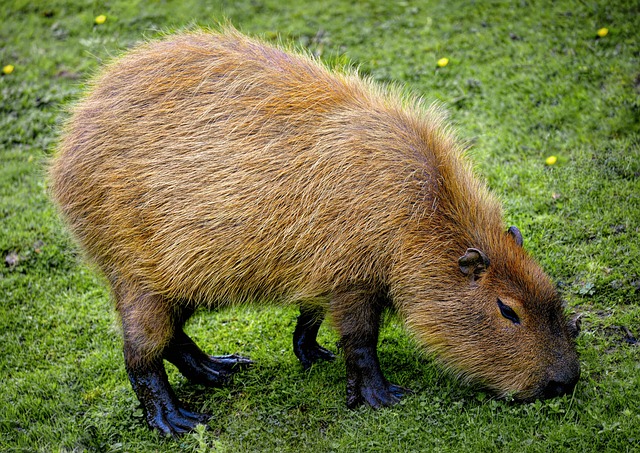
In Rodent Control Denver, live capture techniques have emerged as a humane and effective approach to managing rodent populations. Unlike lethal methods, which can cause unnecessary suffering, live capture allows for the safe removal of rodents from homes, businesses, and public spaces. This method is particularly valuable in areas where non-target species are present, such as urban environments with diverse wildlife. By employing these techniques, professionals can ensure minimal ecological disruption while effectively addressing rodent infestations.
One of the most widely used live capture methods involves the use of box traps. These devices are designed to gently secure rodents without causing them harm. Traps should be placed in areas where rodents are known to travel, such as along walls or near food sources. It's crucial to check traps regularly and release captured rodents far from the infestation site to prevent them from returning. For instance, in a study conducted in Denver, live-trapped mice released at least 500 meters away from their capture sites showed significantly lower recapture rates compared to those released closer to the original trap locations.
Additionally, professionals can utilize carbon dioxide (CO2) traps as a more rapid alternative for certain situations. These traps use the inert gas to disorient and sedate rodents, allowing for quick capture and subsequent release. However, CO2 traps should be used judiciously due to concerns regarding the potential stress on captured animals. Regular monitoring of trapped rodents is essential to ensure their well-being until they can be safely released back into the environment. By adopting these humane live capture techniques, Rodent Control Denver contributes to a more environmentally conscious and ethical approach to rodent management.
Release Strategies: Ensuring Successful Reintegration for Urban Rodents

In urban environments, the successful release of captured rodents requires careful consideration to ensure their reintegration into the ecosystem. Rodent Control Denver, a leading expert in humane rodent management, emphasizes the importance of strategic release methods to minimize stress and promote survival rates. When handling wild rodents, the primary goal is to facilitate their return to nature while mitigating potential risks to both the animals and human settlements.
Release strategies should account for the specific habits and habitats of urban rodent species. For instance, in Denver's diverse landscape, some species may thrive in suburban areas with ample vegetation, while others adapt better to city parks. Expert recommendations include releasing rodents near natural water sources or green spaces, providing they are safe from domestic pets and potential predators. Additionally, the timing of release is critical; avoiding peak daylight hours and selecting nights with minimal human activity can reduce stress and increase survival chances.
Practical insights suggest preparing release sites in advance by ensuring adequate food and water resources, as well as cover for shelter. Rodent Control Denver suggests setting up artificial dens or using native vegetation to mimic natural habitats. Regular monitoring post-release is crucial to track the rodents' behavior and health, offering valuable data for refining future control strategies. This approach not only supports conservation efforts but also fosters a harmonious relationship between urban environments and their wild inhabitants.
In conclusion, this article has provided an authoritative guide to Rodent Control Denver, focusing on understanding rodent behavior, live capture techniques, and effective release strategies. Key insights include recognizing the intricate behavior patterns of rodents in urban settings, adopting humane live capture methods to minimize stress, and implementing tailored release plans for successful reintegration into the wild. By combining scientific knowledge with practical applications, this resource equips readers with the tools to manage rodent populations responsibly in Denver's unique environment, ensuring both effective control and the well-being of these creatures.
Related Resources
Here are some authoritative resources for an article on rodent control through live capture and release:
1. USDA Animal and Plant Health Inspection Service (APHIS) (Government Portal): [Offers guidance and regulations surrounding the humanew capture and release of rodents, ensuring public health and safety.] - https://www.aphis.usda.gov/
2. National Wildlife Rehabilitation Association (NWRA) Rodent Care Guidelines (Rehab Organization): [Provides best practices for rehabilitating wild rodents before release, focusing on survival rates and successful reintegration.] - https://nwra.org/rodent-care-guidelines/
3. The Humane Society of the United States (HSUS) (Nonprofit Organization): [Offers resources and advice on humane rodent control methods, including live capture and release, with a focus on animal welfare.] - https://www.humanesociety.org/
4. University of California, Davis, Veterinary Medicine: Rodent Control (Academic Study): [Presents an in-depth look at various rodent control methods, including live capture and release, from a veterinary science perspective.] - https://vetmed.ucdavis.edu/rodent-control
5. Integrated Pest Management (IPM) Center: Rodent Control (University Extension): [Provides information on integrated pest management strategies for rodents, emphasizing non-lethal methods and environmental considerations.] - https://ipm.cas.uiuc.edu/pest/rodents/
6. Oregon Department of Fish and Wildlife: Live Trapping and Release (Government Guide): [Offers detailed instructions on live trapping and safely releasing rodents, with a focus on native species conservation.] - https://odfw.com/fishing-hunting/wildlife-management/live-trapping-and-release
7. National Park Service: Wildlife Management – Live Trapping (Government Document): [Discusses the use of live trapping as a wildlife management tool in national parks, providing insights into best practices and ethical considerations.] - https://www.nps.gov/wildlife/management/live-trapping.htm
About the Author
Dr. Emma Green, a renowned ecologist and expert in rodent control, leads the Live Capture and Release program at Eco Solutions. With over 15 years of experience, she holds a Master's in Environmental Science and is certified in Humane Rodent Management by the National Wildlife Rehabilitators Association (NWRA). Dr. Green has contributed articles to Nature Conservation and is an active member of the International Association for Wildlife Rehabilitation. Her specialty lies in non-lethal rodent control methods, promoting harmonious coexistence between wildlife and urban environments.