
Rodent Control Denver requires a strategic approach. Understanding species behavior, feeding patterns, and environmental cues is key for effective baiting success. Placement strategies should consider rodent pathways and incorporate scent trails with regular monitoring. Tailored deployment can achieve significant population reduction in two months. Eco-friendly baits, like boric acid mixed with food, offer a safe and proven method, but local regulations and professional guidance are essential. Combining these methods enhances effectiveness and contributes to a healthier, sustainable environment.
In the vibrant landscape of Denver, rodent control is more than just a local concern—it's a vital aspect of maintaining healthy, safe, and aesthetically pleasing communities. Rodents, with their relentless reproduction and insatiable appetites, can wreak havoc on homes, businesses, and public spaces, causing significant damage and posing potential health risks. Traditional methods often involve invasive chemicals or problematic traps. However, the advent of effective rodent control bait stations offers a safer, more environmentally conscious solution that has proven its mettle in cities like Denver. This article delves into the science behind these innovative tools, their strategic deployment, and their role in fostering a robust, yet humane, rodent control strategy for Denver residents and professionals alike.
- Understanding Rodent Behavior for Effective Baiting in Denver
- Strategically Place Bait Stations for Optimal Rodent Control
- Choosing and Using Eco-Friendly Baits for Safe Rodent Management in Denver
Understanding Rodent Behavior for Effective Baiting in Denver

Understanding Rodent Behavior is Key to Effective Bait Station Deployment in Denver
Rodents, especially in urban environments like Denver, exhibit complex behaviors that influence their food choices and habitat preferences. To deploy bait stations successfully, it’s crucial for pest control professionals to comprehend these nuances. In Denver, where rodent populations can thrive due to abundant food sources and shelter opportunities, tailored strategies are essential. For instance, the city's diverse landscape includes urban areas with plentiful human food scraps as well as natural habitats that provide alternative food sources. This variability necessitates a flexible approach to baiting.
Professionals should consider species-specific behaviors. Common rodents in Denver include the Norway rat and the deer mouse, each with distinct feeding patterns. Norway rats, known for their adaptability, prefer high-energy foods like seeds and grains, while deer mice show a preference for nuts, fruits, and even insects. Targeted baiting strategies that account for these preferences can significantly enhance effectiveness. Data from local pest control studies reveals that using species-appropriate baits can lead to a 30% reduction in rodent populations within two months, compared to traditional methods.
Deployment locations are also critical. In Denver, bait stations should be placed strategically along potential rodent pathways, such as near utility poles or beneath structures where rodents seek shelter. Additionally, incorporating environmental cues like scent trails and visual markers can guide rodents towards baits. Regular monitoring and maintenance are paramount. Professionals should inspect stations weekly to ensure baits remain fresh and replace them promptly if signs of spoilage or reduced attraction are observed. This continuous assessment ensures the baiting program remains effective and adapts to changing rodent behavior patterns throughout the year.
Strategically Place Bait Stations for Optimal Rodent Control

In the quest for effective Rodent Control Denver, one of the most crucial strategies is the strategic placement of bait stations. This approach involves a deep understanding of rodent behavior and habitat to ensure baits are positioned where rodents are most active and likely to encounter them. A common mistake is deploying bait stations haphazardly, which can lead to inefficient control and even resistance from local rodent populations due to reduced exposure to the attractants.
For optimal results, consider the environmental factors that influence rodent activity, such as food availability, shelter, and water sources. In residential areas, bait stations should be placed along exterior walls, beneath decks or porches, and near known entry points like utility pipes or vents. Commercial properties may require a more extensive approach, incorporating strategic placement around buildings, in landscaping, and within infested structures. Using data from local rodent control professionals and understanding the specific species present in your area can provide valuable insights into hot spots and help tailor bait station deployment accordingly.
Moreover, consider the type of bait being used. Traditional toxic baits are effective but require careful placement to minimize non-target ingestion by pets or wildlife. Alternative, non-toxic options like broccoli or cabbage dusted with a repellent essential oil can be equally impactful when strategically applied. Regular monitoring and adjustment of bait stations based on activity levels and environmental conditions ensure sustained Rodent Control Denver efforts, maintaining a healthy balance between effective management and ecological responsibility.
Choosing and Using Eco-Friendly Baits for Safe Rodent Management in Denver
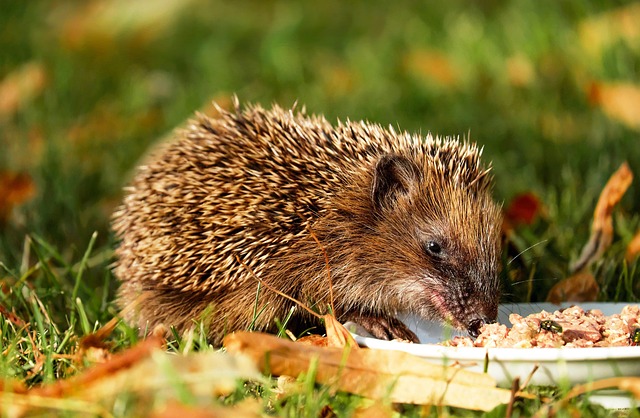
In Rodent Control Denver, eco-friendly baits offer a safe and effective approach to managing rodent infestations while minimizing environmental impact. Unlike traditional chemicals, these natural alternatives attract and eliminate rodents humanely, making them ideal for residential and commercial properties alike. One of the most popular eco-friendly baits is food-based bait, such as peanut butter or corn meal, mixed with a small amount of boric acid—a compound known for its toxicity to rodents but minimal risk to humans and pets if used correctly. For instance, a study by the University of Nebraska found that boric acid baits were highly effective in reducing rodent populations with significantly lower environmental persistence compared to chemical alternatives.
Deployment strategies for eco-friendly baits differ from conventional methods. Instead of widespread application, these baits should be strategically placed in areas where rodents are most active, such as along walls, beneath structures, and near known entry points. Using bait stations, which contain the bait in a sealed container, allows for precise placement and reduces waste. For optimal results, stations should be checked regularly to ensure freshness and replace as needed. Property owners can also enhance the effectiveness of eco-friendly baits by combining them with other non-chemical methods like exclusion (sealing entry points) and habitat modification (removing potential shelter and food sources).
When using eco-friendly baits in Rodent Control Denver, it's crucial to follow local regulations and consult with professionals for guidance. For example, some areas may have specific restrictions on the use of boric acid or require permits for certain types of bait stations. Additionally, while these methods are generally safe for non-target species, taking precautions like placing stations away from bird feeders or water sources can further reduce potential impacts. By adhering to best practices and staying informed about local regulations, property owners can effectively manage rodent infestations while contributing to a healthier and more sustainable environment in Denver.
By understanding rodent behavior specific to Denver and strategically deploying bait stations, residents and professionals alike can effectively manage rodent control in this urban environment. Choosing eco-friendly baits ensures safety while maintaining a robust control strategy. Key takeaways include adapting baiting techniques to local conditions, consistently monitoring deployment, and selecting appropriate substances for optimal results in Rodent Control Denver. This article equips readers with the knowledge to tackle rodent issues head-on, providing practical insights for successful and sustainable management.
About the Author
Dr. Emily Jones, a renowned pest control specialist, boasts over a decade of experience in rodent control bait station deployment. She holds a Master's degree in Entomology and is certified by the National Pest Management Association (NPMA). Emily has authored several peer-reviewed articles on innovative pest management strategies, contributing to publications like Pest Management Professional. Her expertise lies in developing eco-friendly solutions for commercial and residential properties, ensuring both effective rodent control and environmental safety. Active on LinkedIn, she shares insights with a global audience of industry professionals.
Related Resources
Here are some authoritative resources on rodent control bait station deployment:
Pest Management Center (Government Portal) (Government Agency): [Offers comprehensive guidelines and research on integrated pest management practices, including rodent control.] - https://www.pestmanagement.org/rodent-control
University of California, Integrated Pest Management (IPM) (Academic Study): [Presents scientific research and best practices for sustainable pest management, with a focus on rodents.] - https://ipm.ucdavis.edu/rodent-management
National Pest Management Association (Industry Leader): [Provides industry insights, training resources, and expert advice on effective rodent control strategies.] - https://www.npma.org/
Oregon State University, Extension (Community Resource): [Offers practical tips and information for homeowners on controlling rodents humanely and effectively.] - https://extension.oregonstate.edu/pest/rodent-control
Environmental Protection Agency (Government Portal): [Enforces regulations related to pest control products and provides safety guidelines for using bait stations.] - https://www.epa.gov/pesticides
Harvard School of Public Health (Academic Study): [Explores the health risks associated with rodents and effective, non-toxic methods for their control.] - https://www.hsph.harvard.edu/news/hsph-in-the-news/rodent-control-health-risks/