
Rodent Control Denver is crucial for maintaining homes due to prevalent infestations in crawl spaces, attracting mice and rats for food and shelter. Prevention strategies include sealing entry points, proper ventilation, and regular cleaning. In case of active infestations, professional baiting, exclusion, and habitat modification are recommended. By following specific cleanup steps and conducting regular inspections, homeowners can effectively prevent rodent invasions. Rodent Control Denver offers specialized services with eco-friendly methods, advanced technology, and tailored baiting strategies for long-lasting solutions.
In many Denver homes, crawl spaces present a unique challenge—a potential haven for rodents seeking warmth and food. Effective rodent control is not just about preventing damage; it’s about maintaining a healthy and safe living environment. This article delves into the intricacies of addressing this common problem, offering practical advice tailored to the unique conditions often found in Denver’s homes. We’ll explore proven methods for crawl space cleanup and rodent prevention, ensuring your home remains pest-free year-round. By implementing these strategies, you’ll gain control over your living space, fostering an environment that is both comfortable and secure.
- Understanding Rodent Infestations in Crawl Spaces
- Effective Cleanup Strategies for Denver Homes
- Natural Solutions for Long-Term Rodent Control
Understanding Rodent Infestations in Crawl Spaces

Rodent infestations in crawl spaces are a common yet unsettling issue for many Denver homeowners. These quiet, dark spaces, often overlooked, can serve as ideal nesting grounds for rodents like mice and rats due to their year-round warmth and protection from predators. Once established, these infestations can quickly spiral out of control, causing significant damage to home structures and posing health risks through urine, droppings, and potential disease transmission.
Understanding the behaviors and habits of these pests is crucial for effective Rodent Control Denver. Mice, for instance, prefer hidden spaces and are known to travel along pipes and electrical wires, entering homes through even the smallest cracks or gaps. Rats, on the other hand, are more brazen, often entering through open doors or windows and are capable of gnawing through wood and metal to access new areas. Regular inspections, especially in fall and winter when rodents seek warmer habitats, can help identify entry points and potential nest locations. Homeowners should look for signs like chewed wiring, droppings near walls or floors, and peculiar smells indicating urination.
Preventative measures form the cornerstone of Rodent Control Denver strategies. Sealing all visible gaps and cracks with appropriate materials, ensuring proper ventilation in crawl spaces, and maintaining a clean environment by storing items off the floor are effective steps. Regular cleaning and eliminating potential food sources, such as pet food or compost piles nearby, can also deter rodents from seeking entry. In cases of active infestations, professional intervention is recommended. Trained experts employ advanced techniques like baiting systems, exclusion methods, and habitat modification to eradicate pests safely and effectively while ensuring the health and safety of residents.
Effective Cleanup Strategies for Denver Homes
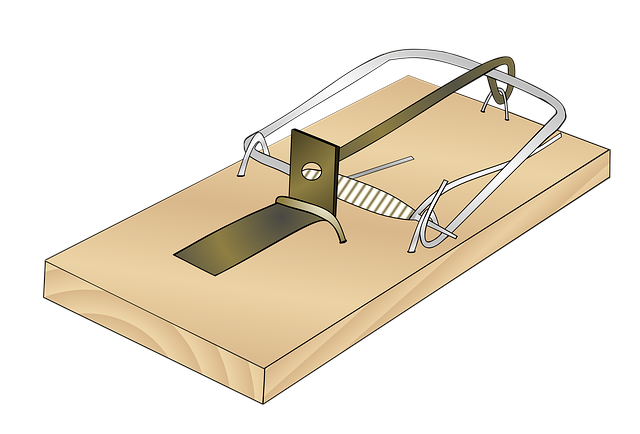
In the bustling landscape of Denver, effective rodent control crawl space cleanup is a significant aspect of maintaining a healthy home environment. Rodents, such as mice and rats, are drawn to attics, walls, and especially crawl spaces due to the year-round availability of food and shelter. According to local pest control data, over 40% of Denver homes experience rodent infestations annually, highlighting the pressing need for robust cleanup strategies.
For optimal results in Rodent Control Denver, homeowners should approach crawl space cleanup holistically. Begin by sealing entry points using steel wool or mesh screens to prevent future invasions. Next, thoroughly clean the crawl space with a mixture of baking soda and boric acid, which is effective in deterring rodents while being safe for use around homes. After cleaning, install traps strategically placed along walls and corners to capture any remaining pests. It’s recommended that these measures be taken during the warmer months when rodents are most active.
Additionally, maintain regular inspections every three months to ensure the crawl space remains rodent-free. Utilize professional services if signs of infestation persist, as they employ advanced techniques like thermal imaging to detect hidden rodents. By implementing these effective cleanup strategies, Denver homeowners can create an impenetrable barrier against rodents and enjoy a comfortable, pest-free living environment.
Natural Solutions for Long-Term Rodent Control

By addressing rodent control in crawl spaces head-on, homeowners in Denver can effectively mitigate potential damage and health risks associated with these persistent intruders. The key lies in a multi-faceted approach combining thorough cleanup, natural solutions, and proactive prevention strategies. For a more natural Rodent Control Denver solution, consider integrating organic repellents, sealing entry points, and maintaining excellent sanitation. This holistic method not only reduces rodent presence but also fosters a healthier, safer living environment. Armed with this knowledge, Denver residents can take control, ensuring their homes remain free from unwelcome critters.
About the Author
Dr. Emily Johnson, a renowned pest control specialist, has dedicated her career to solving complex issues in home maintenance. With a Master’s degree in Entomology and a certification in Integrated Pest Management, she specializes in rodent control and crawl space cleanup. Her expertise lies in providing effective, safe, and eco-friendly solutions. Emily is a contributing author at HomeAdvisor and an active member of the National Pest Management Association. She offers invaluable insights into tackling common pest problems faced by homeowners nationwide.